Currently Empty: $0.00
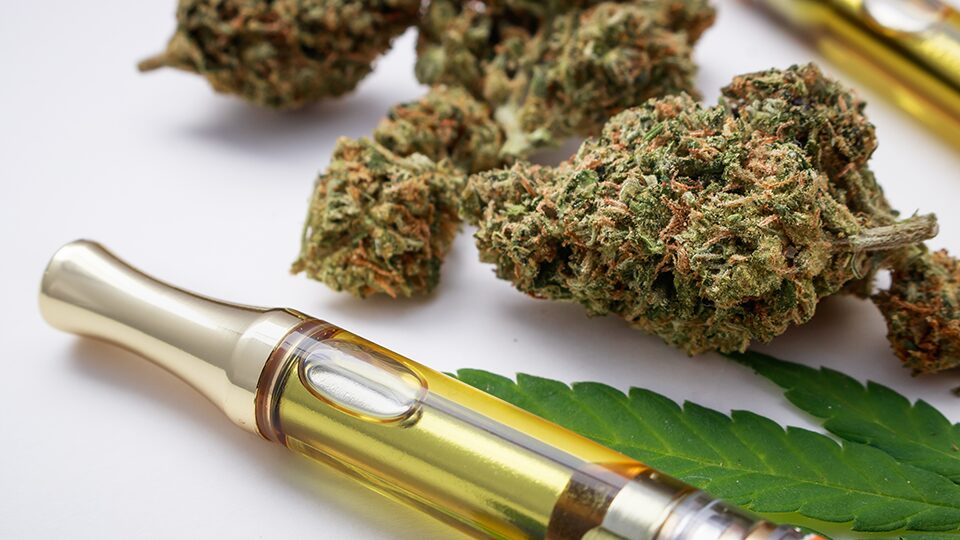
THC, (short for delta-9-tetrahydrocannabinol) is the main psychoactive compound found in the cannabis plant. It is the chemical responsible for the “high” that people typically associate with cannabis use. Over the years, THC has been widely studied for both its effects on the human brain and its potential medical applications.
What is THC?
THC is a naturally occurring compound in cannabis that interacts with the body’s endocannabinoid system. This system plays a key role in regulating mood, memory, appetite, pain sensation, and more.
When THC enters the body, it binds to cannabinoid receptors in the brain, especially those linked to pleasure, thinking, coordination, and time perception. This interaction is what produces its psychoactive effects.
How THC Affects the Body
The effects of THC can vary depending on the person, the dosage, and the method of consumption. Common short-term effects include:
- Euphoria or feeling “high”
- Relaxation or altered mood
- Increased appetite (often called “munchies”)
- Changes in sensory perception
- Impaired memory and coordination
However, THC can also cause less desirable effects in some individuals, such as anxiety, paranoia, dizziness, or dry mouth.
Medical Uses of THC
In certain controlled medical contexts, THC has been used to help manage symptoms of various conditions. Research suggests it may assist with:
- Chronic pain relief
- Nausea and vomiting (especially during chemotherapy)
- Muscle spasticity in conditions like multiple sclerosis
- Appetite stimulation in patients with severe weight loss conditions
It is important to note that medical use of THC is regulated in many countries and should only be done under professional supervision.
Potential Risks and Considerations
While THC may offer benefits, it also comes with risks, particularly when used frequently or in high doses. These may include:
- Dependence or cannabis use disorder in some individuals
- Short-term memory impairment
- Reduced attention and learning ability
- Mental health effects in vulnerable individuals
Long-term effects are still being studied, and research continues to explore how THC impacts brain development, especially in younger users.
THC in Modern Society
THC has become a major topic of discussion worldwide due to changing laws surrounding cannabis. Some countries and regions have legalized its medical or recreational use, while others maintain strict regulations.
This ongoing shift has increased scientific research, public awareness, and debate about how THC should be regulated and used safely.
Conclusion
THC is a powerful natural compound with both therapeutic potential and notable risks. Understanding how it works, its effects on the body, and its legal status is important for making informed decisions. As research continues, society’s understanding of THC will likely continue to evolve.